
Industrial Fixings: A Complete Guide to Choosing the Right Solutions | Cabex India
Industrial projects require reliable components that can provide strength, stability, and long-lasting performance. From electrical installations and machinery to construction and manufacturing applications, the right fixing solutions help ensure that equipment and structures remain securely positioned. Choosing suitable Industrial Fixings is therefore an important part of planning any professional installation.
Cabex India offers solutions designed to support demanding industrial applications where durability, compatibility, and dependable performance are essential. Understanding the different types of fixings and their applications can help businesses select products that meet their specific project requirements.
What Are Industrial Fixings?
Industrial fixings are components used to secure, join, mount, or support different materials and equipment. They can be used in electrical systems, industrial machinery, construction projects, control panels, cable management systems, and many other applications.
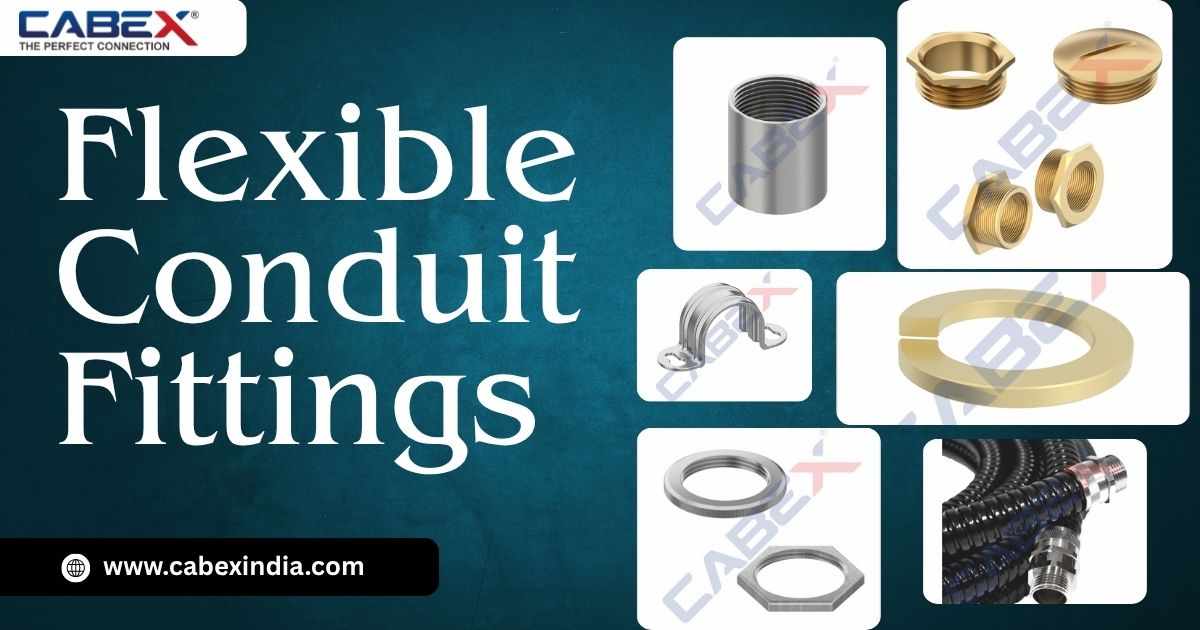
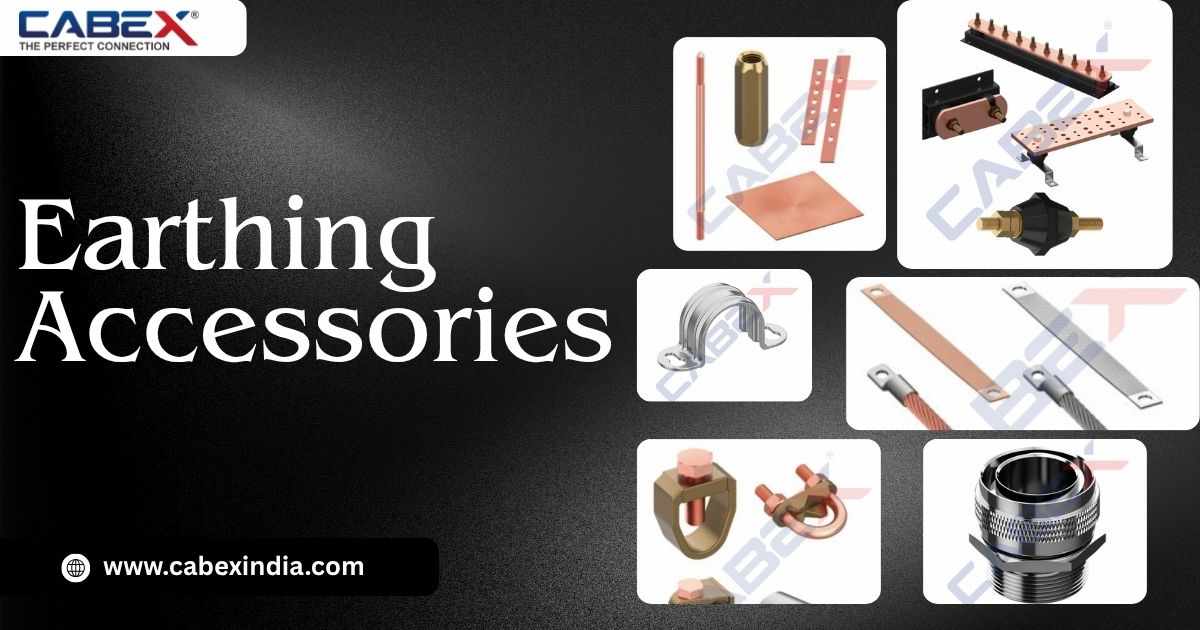
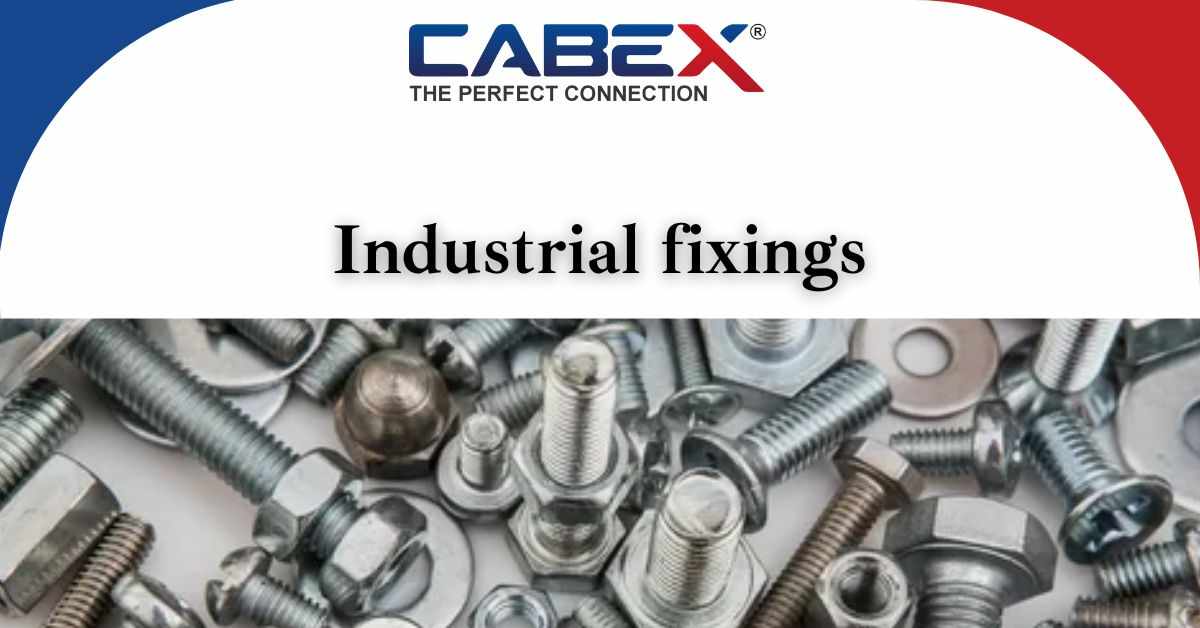
Depending on the installation, fixings may include bolts, nuts, screws, washers, clamps, brackets, anchors, and specialized mounting components. Each type is designed for particular load requirements, materials, environmental conditions, and installation methods.
Why Choosing the Right Fixings Matters
Using the correct fixing solution is essential for creating a safe and dependable installation. An unsuitable product may result in loosening, movement, corrosion, or structural weakness over time.
The right fixing should provide adequate mechanical strength while being compatible with the materials being connected. Industrial environments can also expose components to vibration, moisture, chemicals, heat, and other challenging conditions. Selecting appropriate materials and designs can significantly improve service life and reduce maintenance requirements.
Important Factors to Consider
1. Material and Construction
The material of a fixing directly affects its durability and suitability. Stainless steel, brass, carbon steel, and other materials may be selected according to the application.
For environments where moisture or corrosion is a concern, corrosion-resistant materials can offer better long-term performance. For heavy-duty applications, high-strength materials may be more appropriate.
2. Load Requirements
Before selecting a fixing, determine the amount and type of load it will need to withstand. Static loads, dynamic loads, vibration, and repeated movement can all affect product selection.
Heavy industrial equipment generally requires robust fixing solutions capable of maintaining secure connections under demanding operating conditions.
3. Environmental Conditions
The installation environment should always be considered. Outdoor installations, chemical-processing facilities, factories, electrical plants, and other industrial locations may expose fixings to different environmental stresses.
Temperature, humidity, chemicals, dust, vibration, and exposure to weather can influence the performance of fixing components. Selecting products designed for the relevant environment can help maintain reliability.
4. Compatibility
Fixings must be compatible with the materials and components they are securing. Thread size, dimensions, material, mounting method, and installation requirements should be checked before making a selection.
Compatibility helps prevent installation difficulties and ensures that the finished assembly performs as intended.
Common Applications of Industrial Fixings
Industrial fixing solutions are widely used across different sectors. Manufacturing plants use them for machinery, equipment, and production systems. Construction projects rely on fixing components for structural and mechanical installations.
They are also important in electrical and cable management applications, where components need to be securely mounted and protected. Automotive, engineering, infrastructure, energy, and industrial automation projects can also benefit from properly selected fixing solutions.
Benefits of Quality Fixing Solutions
High-quality fixing components can provide several advantages, including improved installation stability, enhanced durability, reduced maintenance, and better overall system reliability.
Using dependable products can also reduce the likelihood of premature failure caused by corrosion, vibration, excessive loading, or poor compatibility. For businesses, this can contribute to safer operations and more efficient maintenance schedules.
How Cabex India Can Support Industrial Requirements
Cabex India focuses on providing dependable industrial components suitable for professional applications. When selecting fixing solutions, businesses can consider factors such as product quality, application requirements, material selection, dimensions, environmental conditions, and installation specifications.
Working with an experienced supplier can make it easier to identify appropriate products for specific industrial requirements while maintaining consistency across projects.
Conclusion
Selecting the right fixing components is an important step in developing safe, durable, and reliable industrial installations. Factors such as material, load capacity, environmental conditions, compatibility, and application requirements should be carefully evaluated before making a decision.
With suitable Industrial Fixings, businesses can improve installation stability and support long-term performance across manufacturing, construction, electrical, engineering, and other demanding applications. Cabex India provides industrial solutions focused on quality and dependable performance, helping customers address diverse fixing and installation requirements.
Frequently Asked Questions
1. What are industrial fixings used for?
Industrial fixings are used to secure, join, mount, or support equipment, machinery, structures, electrical components, and other industrial systems.
2. How do I choose the right fixing?
Consider the load, material, dimensions, environmental conditions, installation method, and compatibility with the components being secured.
3. Are stainless steel fixings suitable for outdoor applications?
Stainless steel can be a suitable choice for many outdoor applications because of its corrosion resistance. However, the specific grade and environmental conditions should be considered.
4. Why is fixing material important?
Material affects strength, corrosion resistance, durability, temperature performance, and compatibility. Choosing the appropriate material helps improve the service life of the installation.
5. Can industrial fixings be used for electrical installations?
Yes. Appropriate fixing components can be used to mount and secure electrical equipment, cable management components, enclosures, and related installations, provided they meet the requirements of the application.
6. Why should businesses choose quality fixing components?
Quality components can provide better reliability, durability, installation stability, and resistance to demanding operating conditions, helping reduce maintenance and replacement requirements.




Write a comment ...